When damp spots start appearing on your walls, the clock is already ticking. Understanding the exact difference between rising damp vs penetrating damp is crucial, because moisture is not just an aesthetic issue, it is actively breaking down your plaster, weakening your brickwork, and destroying your property’s protective coatings.
Many property owners make the expensive mistake of simply painting over these dark, bubbling patches, only to watch the paint peel away again a few weeks later. If you want to stop damp damage now and protect your investment permanently, you must first diagnose exactly how the water is getting in.
Here is a practical guide to telling the difference between the two most common structural moisture problems and how to fix them at the source.
Rising damp vs penetrating damp: Knowing Your Enemy
To stop moisture from destroying your walls, you have to know where it originates. When comparing rising damp vs penetrating damp, these two main culprits behave very differently:
Rising Damp travels upward from the ground.
Penetrating Damp travels horizontally from the outside in.
Understanding which one is attacking your property dictates the exact waterproofing treatment required.
How to Spot Rising Damp Before It Spreads
Rising damp occurs when a building’s damp-proof course (the barrier built into the foundation) fails, deteriorates, or is bridged by raised exterior soil. Groundwater is then absorbed directly into the brickwork, pulling destructive salts and minerals up into your plaster.
Signs you need to stop rising damp:
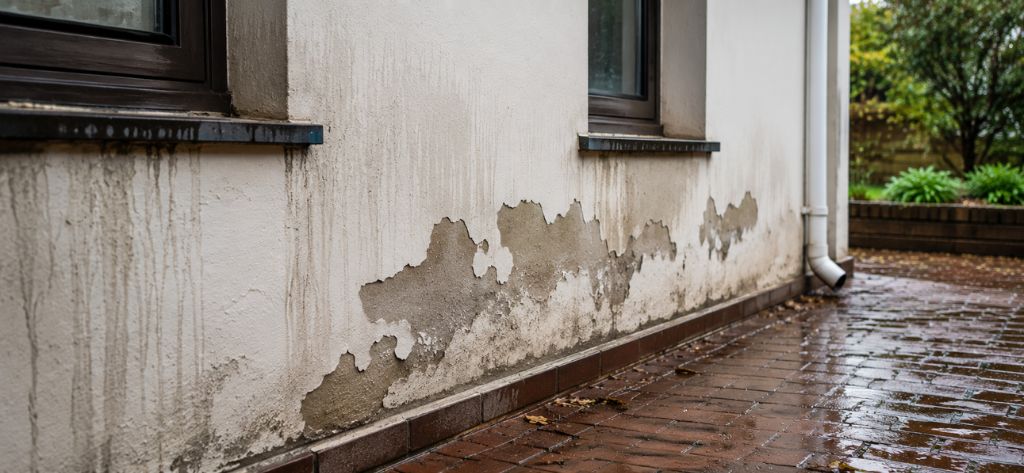
A clear “tide mark” of moisture or staining on the lower section of your walls, usually not reaching higher than 1.5 metres above the floor.
Paint that is blistering, peeling, or bubbling directly above the skirting boards.
Skirting boards that are lifting away from the wall, warping, or rotting.
White, powdery salt deposits (efflorescence) left behind on the surface of the plaster as the moisture evaporates.
Recognizing Penetrating Damp During the Rainy Season
Penetrating damp is incredibly common in Pretoria, especially during the heavy, driving rains of the Highveld summer. It happens when water enters the building through defects in your exterior envelope, such as hairline plaster cracks, failing window seals, or deteriorating parapet walls.
Signs you are dealing with penetrating damp:
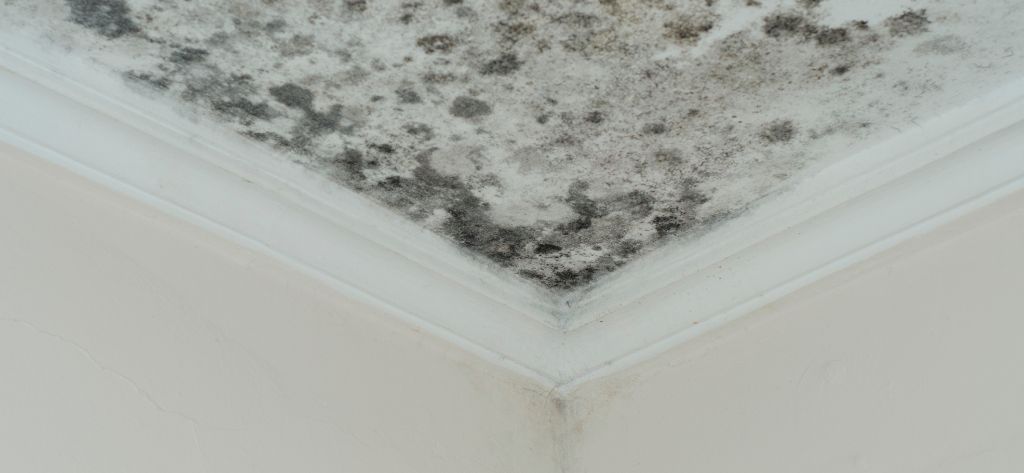
Damp patches that appear high up on walls, near the ceiling, or in isolated spots across the surface.
Moisture marks that suddenly darken or expand immediately after a heavy storm.
Flaking paint and water stains concentrated specifically around window frames, external doors, or air conditioning units.
Visible leaks or water ingress directly beneath flat roofs, balconies, or parapet walls.
Why Painting Over Damp Causes More Damage
When you see bubbling paint or dark patches, it means moisture is pushing through from behind the coating. Slapping a fresh coat of standard paint over the problem is a waste of time and money.
Standard exterior or interior paint is not designed to hold back structural moisture. The trapped water will simply push its way out again, causing the new paint to flake and chalk while the masonry beneath continues to degrade. Delaying proper treatment allows the moisture to spread, turning a localized repair into a major structural fix.
How Nevis Painting Stops Damp Damage at the Source
Stopping damp permanently requires technical expertise, thorough surface preparation, and specialized products. At Nevis Painting, we don’t just cover up the problem; we eliminate it.
Our professional process includes:
Accurate Diagnosis: We inspect the affected areas to pinpoint the exact entry point of the water.
Proper Preparation: We strip away the failing paint and compromised plaster right back to the bare, sound masonry.
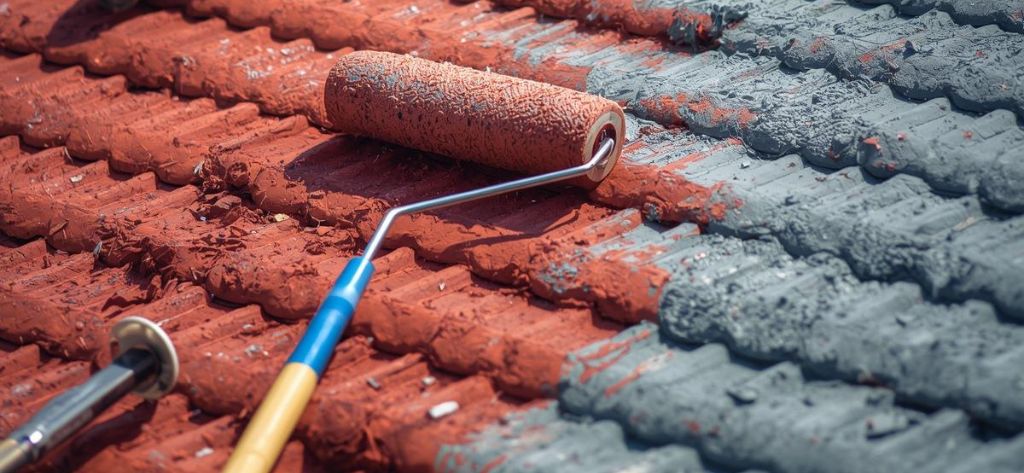
Targeted Waterproofing: Depending on the diagnosis, we apply advanced damp proofing treatments, inject chemical damp courses, or use heavy-duty elastomeric sealants to stop water ingress permanently.
Professional Refinishing: We allow the treated area to cure completely before expertly replastering, priming, and applying a highly durable, weather-resistant topcoat.
Protect Your Property Today
Do not wait for small moisture patches to turn into expensive structural failures. By correctly identifying rising damp vs penetrating damp early, you can apply the exact professional solution required and secure your property for the long term.
Are damp spots threatening your walls? Stop the damage now.
Send the Nevis Painting team a WhatsApp with photos of the problem area and your location, and we will advise on the correct professional waterproofing solution to protect your property.