That “muf” smell in the spare room. The black dots in the bathroom corner. The paint that keeps bubbling no matter how many times you repaint. These are some of the most common signs of mold in homes, and most people only notice it once it’s already settled in.
Many homeowners treat mold like a cosmetic problem: wipe it, paint it, move on.
But mould is a moisture problem first… and a health + property problem second. If you don’t fix the source of the damp, it will keep coming back, and over time it can affect both your family’s wellbeing and your building’s durability.
At Nevis Painting, we see this often: one small leak or damp patch turns into recurring mold, peeling paint, damaged plaster, and bigger repairs later.
Let’s break down what mold really means, and what to do about it.
Why mould in homes happens so easily
Mould needs only two things:
-
Moisture
A surface it can feed on (dust, wood, drywall, paint, textiles, even soap residue)
Many homes have the perfect conditions for mould:
Heavy summer rain that exposes small roof issues
Humid air in certain regions and seasons
Cold mornings + warm indoor air, which creates condensation on cold walls and windows
Bathrooms and kitchens with poor ventilation
Rising damp where damp-proofing fails or ground moisture pushes into walls
Blocked gutters or poor drainage that keeps walls and foundations wet
If moisture stays… mold stays.
The real danger: Health risks you can’t see
Mold releases tiny spores into the air. For some people, these spores can trigger or worsen symptoms like:
Sneezing, blocked nose, itchy eyes
Coughing, wheezing, shortness of breath
Eczema flare-ups or skin irritation
Asthma symptoms that become harder to control
People who are more vulnerable include:
Children
Older adults
Anyone with asthma or allergies
People with weakened immune systems
If you suspect mold is affecting your health, it’s worth speaking to a healthcare professional, but at the same time, don’t ignore the environment. The long-term fix for mold in homes is always to deal with the moisture source.
The hidden danger: Damage to your home (and your budget)
Even if no one in the home feels sick, mold in homes is still a red flag for building moisture. Moisture and damp can lead to:
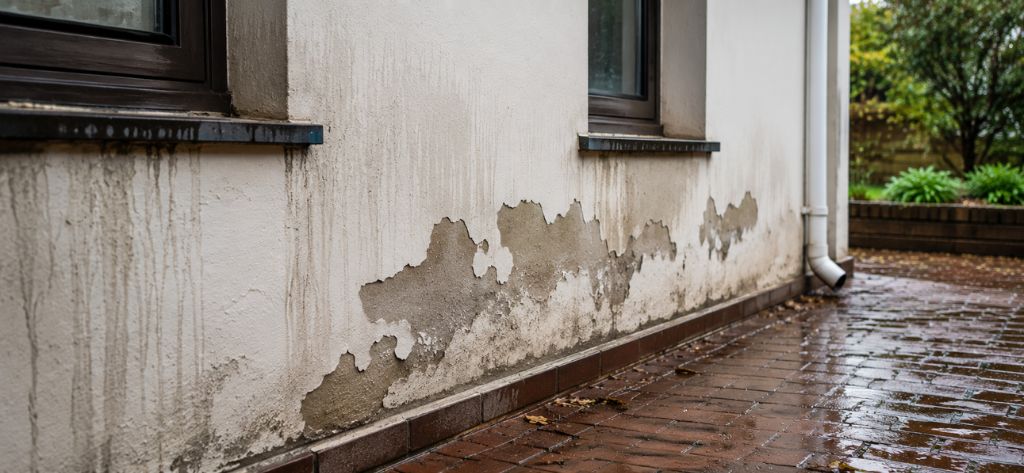
Paint bubbling, peeling, and staining
Plaster breaking down and becoming soft or powdery
Warped skirting boards and swollen wooden frames
Damp ceilings and damaged insulation
Structural timber issues over time (especially in roof spaces)
That “musty” odour that never really goes away
And here’s the truth: painting over mold is not a solution. It’s a temporary cover-up that often makes the next repair more expensive.
How to spot mould early (before it gets serious)
Look out for:
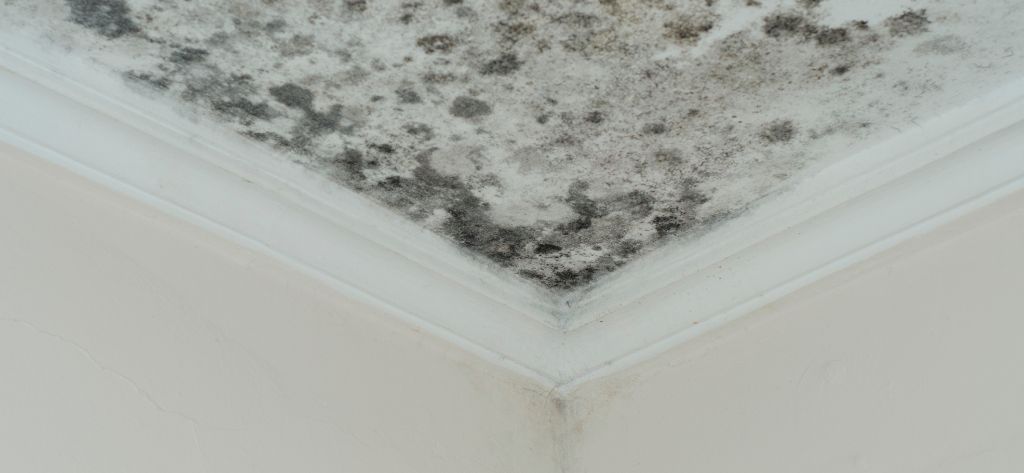
Black/green spots on ceilings, corners, behind furniture, or around windows
Musty smells, especially in cupboards or closed rooms
Condensation on windows most mornings
Bubbling or flaking paint
Dark damp patches that grow after rain
Salt-like white marks on walls (often linked to rising damp)
Mould returning a few weeks after cleaning or repainting
Tip: If a room smells damp even when it looks “fine”, check behind wardrobes, beds, curtains, and inside cupboards. Hidden mold in homes often starts where air can’t circulate.
The right way to deal with mould (step-by-step)
Step 1: Stop the moisture (this is non-negotiable)
Common sources we find:
Roof leaks (cracked tiles, failed flashing, gaps around vents)
Plumbing leaks (behind bathrooms, geysers, kitchens)
Rising damp (failed or missing damp-proof course)
Poor drainage (water pooling against walls)
Condensation (poor ventilation + cold surfaces)
If you don’t stop the moisture, every other step is a waste of time.
Step 2: Dry the area properly
After leaks or water damage, dry the area as quickly as possible:
Open windows (when weather allows)
Use fans to increase airflow
Use a dehumidifier in very damp spaces
Remove wet carpets, cardboard, and soft furnishings if they’re saturated
Step 3: Clean safely (small patches only)
For small surface mould (for example, a small patch on bathroom tiles):
Wear gloves and a mask
Clean the surface and dry it completely
Improve ventilation immediately
If mold is widespread, keeps returning, or is on porous materials (plasterboard, ceilings, insulation), it often needs a more thorough approach, not just “wipe and go”.
Step 4: Repair and seal the surface
Once the area is dry and the source is fixed:
Repair damaged plaster
Treat affected areas properly
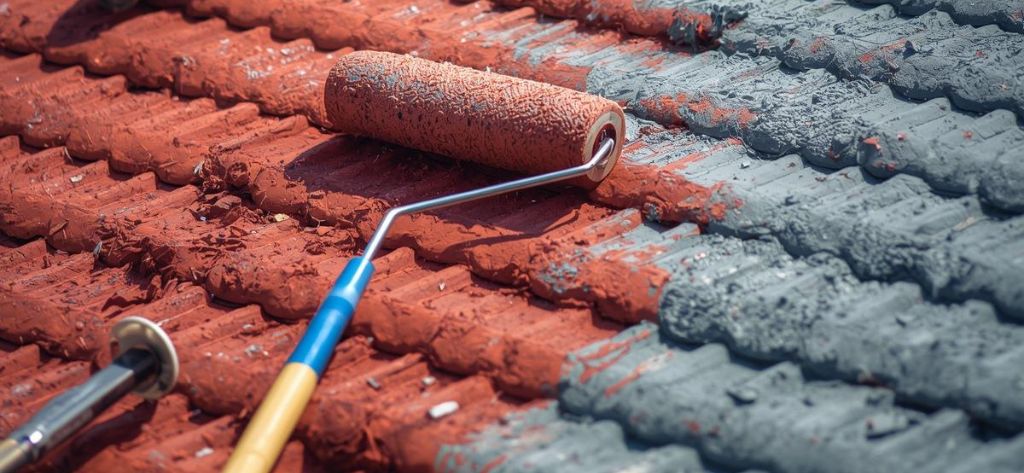
Repaint using the correct primer and a quality paint system (mould-resistant where appropriate)
This is where professional preparation matters. The right products only work if the surface is stable, dry, and properly treated, especially when mold in homes has already caused peeling or soft plaster.
Step 5: Prevent it from coming back
Simple daily habits make a big difference:
Use extractor fans in bathrooms and kitchens
Open windows after showering
Don’t dry laundry inside living spaces if you can avoid it
Keep furniture a few cm away from cold external walls
Fix gutters and downpipes before rainy season
Make sure water drains away from the house, not towards it
When you should call in a professional
Consider professional help if:
The mould patch is large or spreads quickly
It comes back repeatedly after cleaning
You suspect a roof leak, waterproofing failure, or rising damp
There’s a musty smell but no visible mould (often hidden behind walls or ceilings)
Anyone in the home has asthma, severe allergies, or a compromised immune system
When mold in homes keeps returning, it’s almost always because the moisture source was never properly fixed.
How Nevis Painting helps
We don’t just “paint over the problem.” Our approach is practical and long-term:
Inspect the likely moisture source (roof, walls, drainage, plumbing signs)
Recommend the correct repair or waterproofing system
Prepare and repair surfaces properly
Repaint with a durable, neat finish that lasts
If you’re seeing mold, damp patches, bubbling paint, or persistent musty smells, let’s look at it before it becomes a bigger job.
Send us a WhatsApp with a photo + your area, and we’ll advise on the next step.
Quality. Trust. Longevity.