Roof painting is one of the simplest ways to protect and refresh an ageing roof without jumping straight to a full replacement. When your tiles or roof sheets start looking dull and weathered, it’s easy to panic and assume the entire roof needs to be ripped off and redone – along with a big, unexpected bill.
The truth is, if your roof structure is still sound, professional roof painting and waterproofing can extend the life of your existing roof, help prevent leaks and improve your property’s overall appearance at a fraction of the cost of replacement.
In this guide, we’ll walk you through when roof painting is enough, when replacement really is the best option, and how to decide what’s right for your property.
The Real Purpose of Roof Painting (It’s Not Just About Looks)
A lot of people think roof painting is purely cosmetic – something you do to make the house look neat again.
In reality, a properly cleaned, treated and coated roof is part of a protective system that:
Shields your roof from rain and sun
Helps prevent small issues from becoming big leaks
Keeps the surface in better condition for longer
Yes, your home looks smarter afterwards – but the real value is in the extra layer of protection and the extended lifespan of the existing roof.
When done correctly, roof painting and waterproofing are much more than a “quick facelift”. They’re planned maintenance steps that can delay the need for a much more expensive replacement.
When Roof Painting Is the Smart, Cost-Effective Option
There are many situations where roof painting is a very smart choice. Here are the main ones.
1. The Roof Structure Is Still Sound
If the underlying structure of your roof is still in good condition, there’s a strong chance it can be restored and protected rather than replaced.
That usually means:
No major sagging or warping
No widespread structural damage
Most tiles or sheets are still intact (even if they’re weathered)
A professional inspection is essential here. A reputable painting and waterproofing contractor will get onto the roof (safely), check the surface, and tell you honestly whether your roof is a good candidate for painting and waterproofing – or whether you first need a roofing specialist to address structural issues.
2. You’re Dealing With Wear and Tear, Not Failure
Over time, roofs are exposed to dust, pollution, sun, wind and rain. That leads to:
Dull, weathered surfaces
Minor surface cracks or hairline imperfections
Old coatings that have broken down
Localised areas where waterproofing has failed
These are maintenance issues, not necessarily signs that your roof has failed.
With the right preparation – cleaning, rust treatment on metal, targeted waterproofing to problem areas, priming and coating – an experienced team can restore and protect the existing roof, buying you more years before you need to think about replacement.
3. You Want to Extend the Life of an Existing Roof
Roof painting is ideal if:
You want to postpone a full replacement for budget reasons
You’re planning to sell and want the roof to look neat and well-maintained
You’re updating the rest of the property and need the roof to match the standard
In all of these cases, roof painting and waterproofing become part of a planned maintenance cycle rather than a last-minute emergency.
When Roof Replacement Is the Only Real Answer
Honesty matters. There are times when painting is not the right solution – and any professional contractor should tell you that upfront.
Important: A roof painting and waterproofing contractor does not do structural repairs or full replacements. In these situations, you’ll need a roofing specialist or builder.
1. Structural Damage or Serious Deterioration
If your roof structure has been compromised, no coating system will fix the underlying problem.
Warning signs include:
Noticeable sagging in the roofline
Severely cracked or broken tiles across large sections
Corroded metal sheets that are thin, brittle, or perforated
Rotten timbers or major water damage inside the roof space
In these situations, replacement is usually the safer, more cost-effective long-term solution – and you should speak to a qualified roofing contractor.
2. Recurring Leaks That Repairs Haven’t Solved
If you’ve had multiple repairs to the same areas and leaks keep coming back, there may be:
Design issues
Serious flashing problems
Underlying installation faults
Coating over these problems won’t solve them. A proper assessment may show that replacement – or at least significant reconstruction – is the only way to achieve a reliable, long-term result.
3. Layers of Old Quick Fixes
If the roof has been patched repeatedly with unsuitable products, multiple layers of old material may be:
Trapping moisture
Hiding rust or structural issues
Making it difficult for a new coating system to bond properly
At some point, it is more sensible to strip back and start again than to keep adding layers over problems. A trusted contractor will point this out and suggest bringing in a roofing specialist before any painting or waterproofing goes ahead.
What Professional Roof Painting Actually Includes
One of the biggest misunderstandings about roof painting is thinking it’s “just a coat of paint”. A professional roof painting and waterproofing project includes several important steps.
1. Thorough Roof Inspection
Before any work begins, a good contractor will:
Inspect the roof surface from top to bottom
Identify visible rust, worn coatings, failed waterproofing and obvious problem areas
Check around parapets, joints, ridges, valleys and gutters where water typically collects
They’ll also highlight anything that falls outside of painting and waterproofing, such as broken tiles, loose ridges or structural concerns, and recommend that you get those fixed by the appropriate roofing specialist before proceeding.
2. Preparation, Cleaning and Waterproofing
Most of the real work happens before the coating goes on.
A typical preparation phase for a painting and waterproofing contractor focuses on:
High-pressure cleaning to remove dust, dirt, moss, old flaky coatings and contaminants
Rust treatment on metal roofs to stop corrosion from spreading
Waterproofing problem points, such as:
Parapet walls
Joints and laps
Around chimneys, vents and other penetrations
Valleys and gutters where water sits longer
Sealing hairline cracks and weak points in the surface with suitable waterproofing systems
This kind of preparation doesn’t replace tiles or sheets and doesn’t change the structure of the roof – it focuses on protecting what’s already there and stopping water from getting in where it shouldn’t.
Proper preparation is what allows the coating and waterproofing system to bond correctly and perform as it should. Skipping steps here is a recipe for problems later.
3. Priming and Coating System
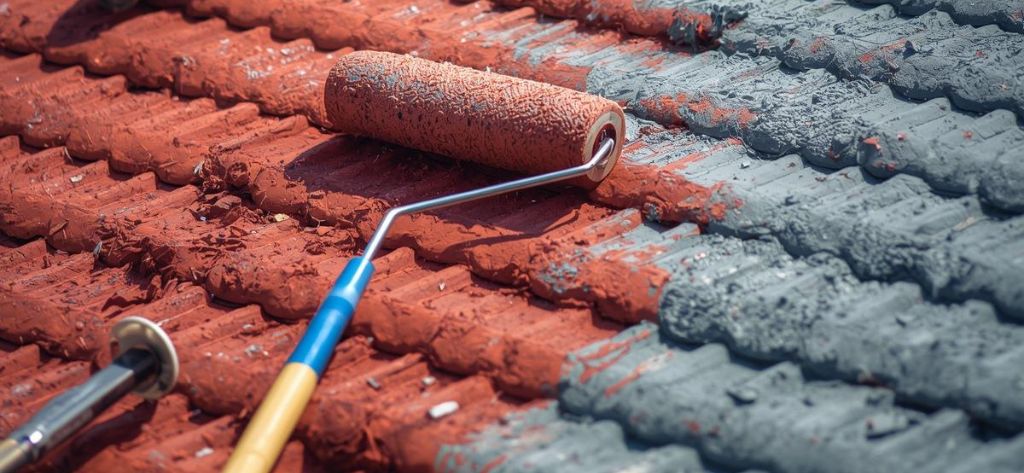
Once the roof is clean, dry and prepared, the correct primer and coating system are applied for that specific roof type.
A professional team will:
Use the right primer for the surface
Apply the roof coating according to the manufacturer’s recommendations
Respect drying times between coats
Ensure adequate coverage and thickness
The goal is not just to make the roof look better on day one – it’s to ensure the coating lasts and works alongside the waterproofing to protect the roof.
4. Final Inspection and Clean Site
At the end of the project, there should be:
A final inspection to check the finish and coverage
Confirmation that all agreed waterproofing areas have been treated
Removal of all debris and waste
A clean, tidy site and a roof that’s ready to face the weather again
You should also receive clarity on any workmanship guarantees and maintenance recommendations.
Roof Painting vs Roof Replacement: Cost and Time
Every roof is different, but a few general truths apply.
Cost Considerations
Roof replacement is usually significantly more expensive than roof painting because it often includes:
Stripping and removal of the old roof
Disposal of materials
New structural work (if needed)
New materials and installation
Roof painting and waterproofing, on the other hand:
Work with your existing roof structure
Focus on preparation, rust treatment, waterproofing and protective coatings
Are generally kinder on your budget
While you still want to invest in a reputable contractor, the overall spend is typically much lower than a full replacement.
Time and Disruption
Repainting and waterproofing a roof is often:
Faster to complete (weather and roof size dependent)
Less noisy and less invasive than a full replacement
Easier to schedule around your everyday life or business operations
Replacement is a bigger project. There’s more noise, more movement on-site, and a longer timeline.
A Simple 3-Step Checklist to Help You Decide
If you’re not sure whether to paint or replace, start here:
Look for obvious structural issues.
Sagging roofline, major cracks, significant leaks or visible rot?
If yes, ask a professional roofing contractor or structural specialist to assess whether replacement is required.
Book a roof inspection with a painting and waterproofing contractor.
An experienced team can identify where cleaning, rust treatment and waterproofing will help – and where they cannot safely work until a roofer has addressed structural problems.
Compare a roof painting quote with a replacement estimate.
Don’t just look at the number. Check:
What preparation and waterproofing are included
What guarantees are offered
How long the job will take
What safety measures and supervision are in place
An honest contractor will tell you if painting isn’t the right option – and that honesty is exactly what you want.
Why Work With a Professional Roof Painting and Waterproofing Contractor
Roof work is not the place for guesswork or shortcuts.
A professional painting and waterproofing contractor offers:
Safety: Trained teams, proper equipment, and strict safety procedures for working at height.
Experience: Knowledge of different roof types and how to prepare and protect each correctly.
Specialist Waterproofing Skills: The ability to find and treat weak points before they become major leaks.
Quality Products and Systems: Using reputable, specified products designed for local conditions.
Reliable Teams: Supervised crews who respect your property, protect surrounding areas, and keep disruption to a minimum.
Clear Guarantees: Written guarantees on workmanship and coating systems, with someone you can call if you have questions later.
This combination is what turns a “paint job” into a long-term investment in your property.
Make the Most of a Limited-Time Roof Painting Special
If your roof is structurally sound but looking tired, a professional roof painting and waterproofing project can be one of the most cost-effective improvements you make to your property.
And when there’s a limited-time roof painting special running (such as a Black Friday promotion), it’s an ideal opportunity to:
Get a thorough inspection of the roof surface
Identify where cleaning, rust treatment and waterproofing will add the most value
Lock in a better price on work you likely need to do anyway
Next step:
Book a professional assessment and quote. You’ll get clear advice on whether your roof is suitable for painting and waterproofing – and if we see anything that needs a roofing specialist, you’ll know about that too, before you commit.
Final Thoughts
Not every ageing roof is a crisis. In many cases, with the right preparation, waterproofing and a professional coating system, roof painting can extend the life of your existing roof, protect your home, and save you money compared to an early replacement.
If your roof is starting to show its age, don’t guess. Get it inspected, know your options, and choose the solution that gives you the best balance of protection, budget and peace of mind.