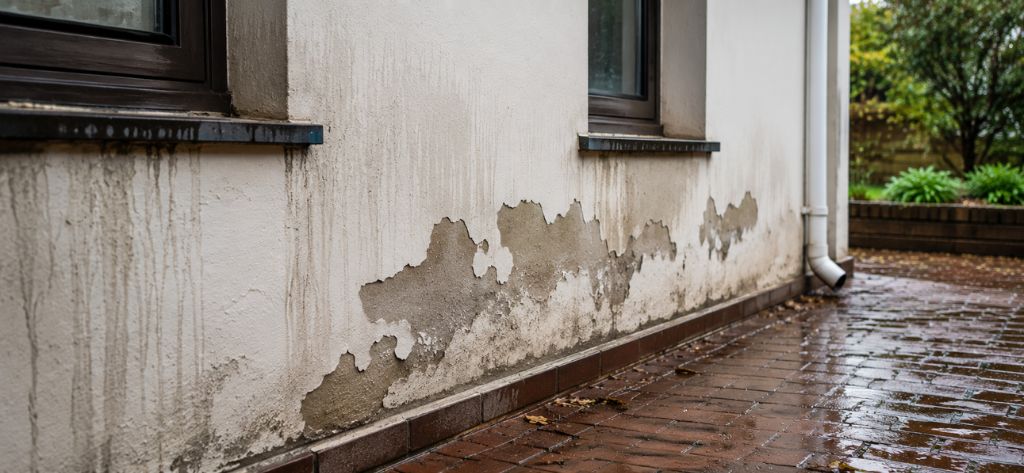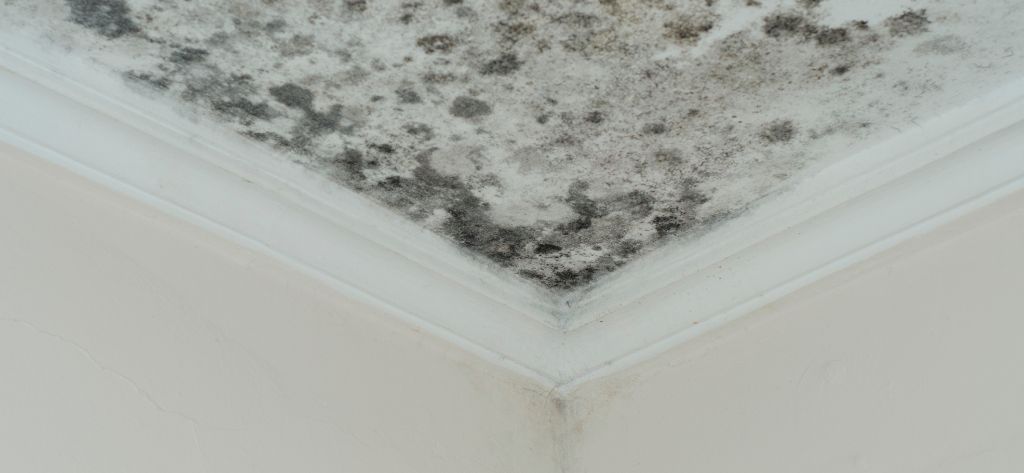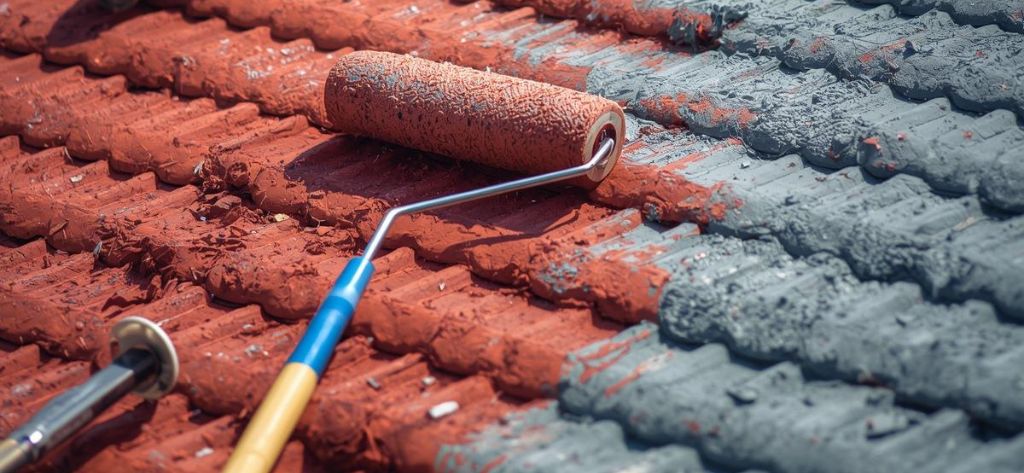

Retaining wall paint prep is the first and most important step to protect your walls from moisture damage. Whether it’s a perimeter wall or a wall holding back soil, these surfaces face pressure from the damp ground behind them. If they aren’t prepared properly, paint can bubble, peel, or fade long before it should.
Many people think paint alone can stop damp, but that’s not true. The real solution starts before painting, by preparing the wall correctly to handle moisture.
Why Retaining Walls Get Damp
Retaining and perimeter walls sit directly against soil. When rainwater or irrigation soaks into the ground, that water pushes against the wall, a force known as hydrostatic pressure.
Over time, this pressure lets moisture seep through small cracks and pores in the wall. The results are easy to spot:
White powdery marks (called efflorescence)
Bubbling or peeling paint
Dark, damp patches that never seem to dry
This is known as negative-side damp, water coming through the wall from the opposite side.
Steps for Proper Retaining Wall Paint Prep
Good preparation helps paint stick, last, and protect better. Here’s how professionals do it:
1. Clean the Wall
Remove dirt, dust, moss, or loose paint. A clean surface helps new paint bond well.
2. Treat White Deposits
Brush off or wash away efflorescence (the white powder). Never paint over it.
3. Repair Cracks and Gaps
Fill cracks or holes so moisture can’t sneak in.
4. Check for Moisture
Walls must be dry enough before painting. Professionals use a moisture meter to test this.
5. Prime the Surface
A primer helps seal the surface and makes paint last longer.
6. Choose the Right Paint or Coating
Acrylic paint works when walls have good drainage.
Elastomeric paint stretches to cover small cracks.
Cement-based waterproof coatings handle constant damp.
If water pressure is heavy, a waterproofing system may be needed instead of ordinary paint.
Keeping Walls Dry: Realistic Tips
Even with perfect retaining wall paint prep, paint can’t stop strong underground moisture forever. Here’s how to keep walls in good condition:
Make sure water drains away from the wall.
Keep weep holes open to let trapped water escape.
Inspect the wall regularly for peeling or white marks.
Repaint every 5–8 years, depending on weather and exposure.
With good preparation and maintenance, your walls will look great and stay strong for years.
In Short
Success starts below the surface. Retaining wall paint prep protects your paint job, prevents damp, and saves you money over time.
If your walls show damp spots or peeling, don’t just paint over them, call in a professional for help.
Need Help?
Contact our team for expert retaining wall paint prep and waterproofing solutions.
We’ll assess your walls, prepare them correctly, and protect your property for the long term.