
Introduction
When a homeowner or business owner starts comparing painting quotes, the answer is rarely simple. Every project has its own quirks. Yet transparency builds trust, showing a client exactly why a painting quote looks the way it does can set you apart.
In short: you don’t just pay for paint. You’re paying for knowledge, labor, preparation, and risk. Let’s walk through all the drivers behind painting quotes, and how to use that knowledge to get a fair, accurate estimate for your own project.
What Factors Influence Painting Quotes?
Below is a breakdown of the major cost drivers every professional painter considers. When clients see these broken out, it removes the mystery (and helps prevent sticker shock).
1. Material & Paint Quality
Type and brand of paint & primer: Lower-end paints cost less, but require more coats or may fade faster. Premium or specialty paints (low-VOC, satin, high-gloss, exterior-grade, etc.) raise cost.
Supplies and consumables: Rollers, brushes, masking tape, drop cloths, caulk, fillers, sanding supplies, masking film, scaffolding, etc.
Surface absorption or texture: Rough or porous surfaces consume more paint than smooth ones.
2. Labor & Skill
Man-hours needed: Based on how long each task takes, and how many workers.
Experience & efficiency: Skilled painters work faster, make fewer errors, and reduce rework.
Complexity of cuts and detail work: Corners, trim, moldings, windows, ceiling edges, decorative features require more careful work.
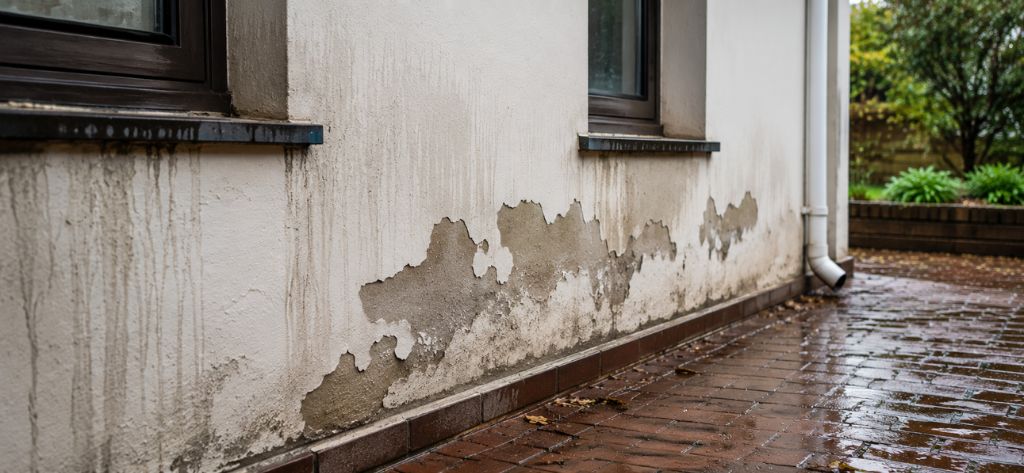
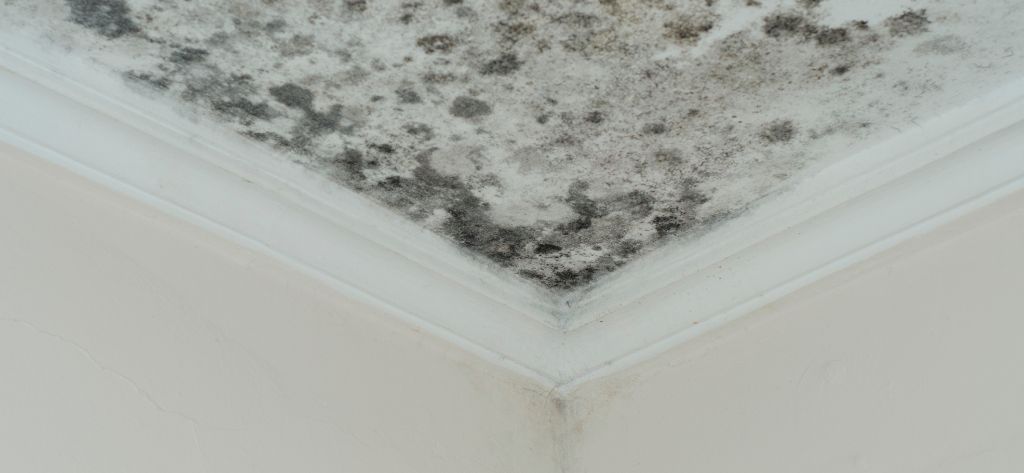
Surface condition: If walls are cracked, peeling, dented, or require patching, that means extra labor.
Number of coats: Two or more coats multiply labor and drying time.
Access difficulty: High ceilings, multiple stories, tight spaces, scaffolding or ladders make labor slower.
3. Site Preparation & Condition
Cleaning, sanding and prepping: Removing old paint, sanding, washing, patching, priming.
Repair work: Filling holes, repairing plaster, wood rot, cracks, water damage.
Removal of fixtures or trims: Taking off sockets, light switches, moldings or hardware before painting.
Masking and protection: Covering floors, furniture, trim, windows, adjacent surfaces to avoid overspray or drips.
Surface irregularities: Textured walls, wallpaper removal, previous uneven coatings, they add time and cost.
4. Size, Scale & Complexity
Total surface area: The more square meters (or square feet), the more paint and labor.
Number of rooms / zones: More breaks, edges, transitions, and logistical movement.
Multiple color changes or accent walls: Switching colors or doing features costs extra.
Trim, molding, ceilings: Including baseboards, crown moldings, doors, windows adds to cost.
Cut-in versus spraying: Spraying large surfaces can speed things, but cutting-in precise edges is labor-intensive.
5. Overheads, Risks & Business Costs
Business overhead: Insurance, vehicle costs, transportation, fuel, equipment maintenance, rent, marketing.
Travel & logistics: Time to get to/from the site.
Risk margin & contingency: For surprises encountered mid-job — hidden damage, weather delays, extra coats needed.
Profit margin / markup: The company must make profit above cost, often expressed as a percentage markup or margin.
Administrative & estimate handling: Estimating, quoting, follow-up, site visits, communication time.
6. Market & Location Factors
Local labour rates / wages: Vary by region, city, cost of living.
Competition & pricing norms: What the market supports.
Permits, access constraints or regulations: In some places, special rules or permits raise cost.
Why Transparency in Painting Quotes Matters
Builds trust — When clients see the breakdown, they understand you aren’t just padding margins.
Reduces sticker shock — Expectations are managed early, and surprises are minimized.
Enables smarter clients — They can choose where to save (e.g. standard paint instead of premium).
Supports professional positioning — When you show your process, you differentiate yourself from “cheap hacks.”
Minimizes disputes — If the client changes scope mid-job, you can refer back to the original breakdown.
Tips to Get an Accurate Painting Quote
Ask for a detailed written estimate with line items (paint, labor, prep, extras).
Provide or allow access to the property for a site assessment rather than expecting a “ballpark” over the phone.
Clarify surfaces, condition, number of coats, trim, ceilings, color changes, and whether the client has any flexibility.
Ask which brand(s) of paint will be used and see samples or swatches.
Verify whether the quote allows for contingencies or “unknowns” (hidden damage).
Compare several painting quotes, but avoid choosing solely on lowest price.
Request warranties or guarantees for workmanship or protection.
Conclusion & Call to Action
Painting isn’t just slapping on a fresh coat, it’s a thoughtful process of preparation, materials, labor, and coordination. The next time someone sees a painting quote and wonders, “Why so much?”, you now have the transparency to explain.
If you’re ready to get a trustworthy, line-by-line painting quote tailored for your space (with no surprises), contact Nevis Painting today and let’s set up your consultation.