When most people think about painting, they picture rollers gliding across walls and vibrant new color transforming a room. But there’s a step far more important than the actual painting, prep work.
At Nevis Painting, we often say that the quality of a paint job is decided long before the first drop of paint hits the surface. In fact, up to 80% of the effort (and success) comes from what happens beforehand.
Here’s why preparation isn’t just important, it’s essential.
Paint Only Adheres As Well As the Surface Allows
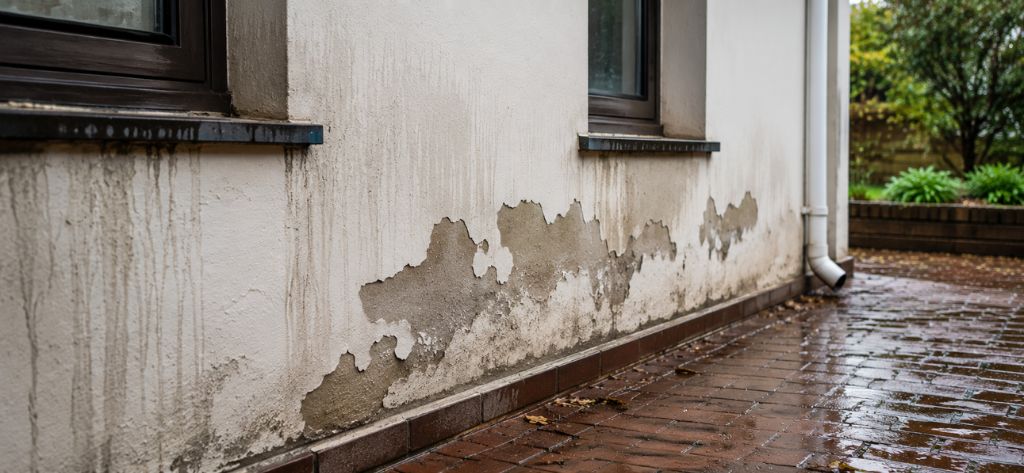
Walls that are dusty, greasy, flaky, or damaged create problems no matter how good your paint is. If the surface isn’t properly cleaned, filled, and primed, paint simply won’t stick properly, leading to peeling, bubbling, or uneven textures.
Whether it’s a residential home or a large commercial building, skipping surface prep is like applying makeup without washing your face first. It may look fine for a moment, but it won’t last.
Filling, Sanding & Repair Work Prevent Future Headaches
Most walls (especially in older properties) have cracks, holes, or minor imperfections. Skipping the prep and painting over them may temporarily hide the flaws, but they’ll return, often worse than before.
Professionals take time to:
Fill cracks and nail holes
Sand rough or patched areas
Repair damaged corners or skirtings
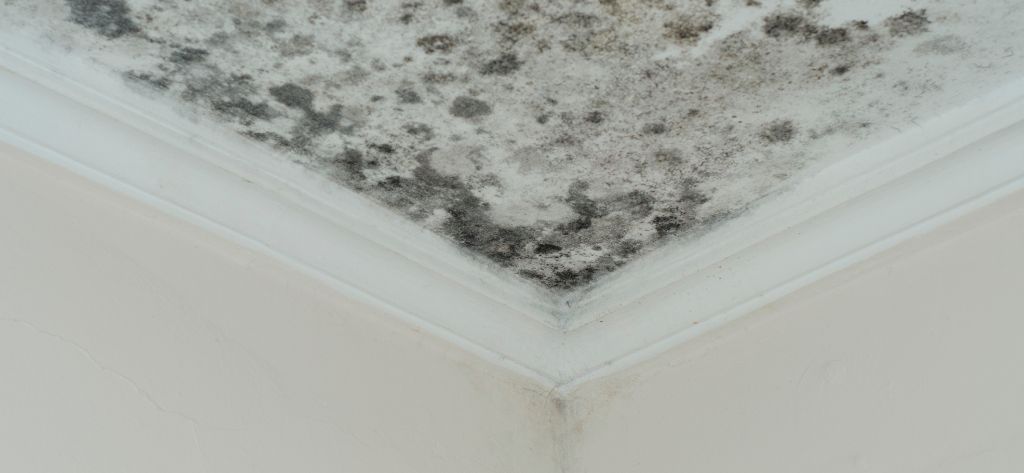
Seal water stains or marks
This extra step ensures a flawless, smooth finish that lasts longer and looks far more professional.
3. Masking & Taping Define the Clean, Crisp Edges
Ever noticed a paint job where the lines aren’t straight or the ceiling edges look messy?
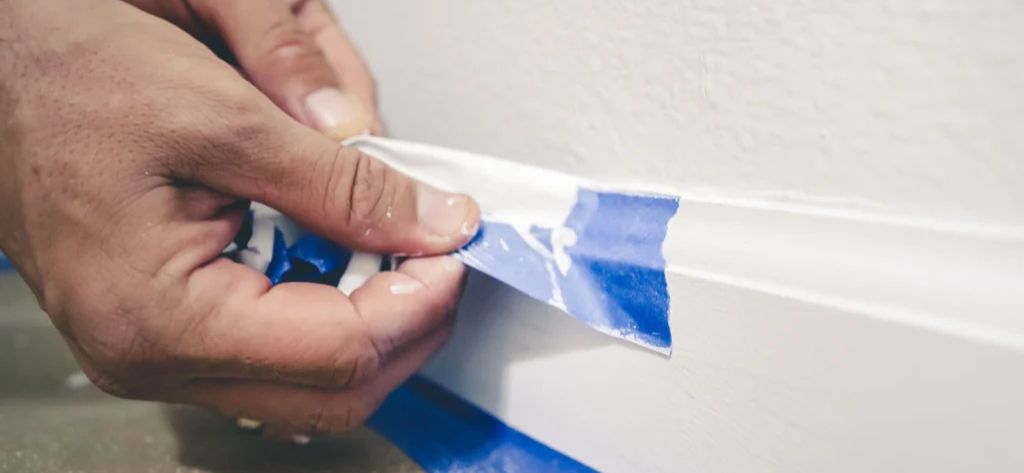
That’s usually the result of poor prep. Skilled painters mask windows, ceilings, skirtings, and fixtures, not just to protect them, but to create razor-sharp edges and defined transitions that elevate the look from average to premium.
It’s not about rushing, it’s about precision.
4. Primer Isn’t Optional (And Yes, It Matters)
Primer plays a critical role in helping paint adhere to surfaces and last longer. It seals porous materials like new drywall or old paint and evens out surface absorption, so you don’t end up with blotchy or dull patches.
Skipping primer to “save time” often results in double the work later, with more coats needed and less durability.
5. Cleaning the Site = Cleaner Results
Proper preparation also means keeping the work area clean and safe. Dust, debris, or even fingerprints can compromise a finish. Professional painters sweep, vacuum, and wipe down surfaces — especially before each coat.
It’s not perfectionism, it’s professionalism.
Final Thought: The Paint Is Just the Finish Line
At Nevis Painting, we treat painting like a system, not a shortcut. Anyone can pick up a brush, but it’s the prep work that separates the amateurs from the professionals.
If you’re considering a fresh coat of paint for your home or commercial space, remember:
What you don’t see is what makes it last.
Need Expert Prep & Paint?
Let’s make your next project stress-free and professionally done.
Contact Nevis Painting for a free quote today.