
When it comes to painting your home, choosing between interior and exterior paint isn’t just about colour—it’s about making sure the paint you use is fit for its environment. At Nevis Painting, we’ve seen how the right (or wrong) choice can impact the look, feel, and lifespan of a paint job. Let’s break down the key differences so you can make the best decision for your home or building.
1. Formulation & Additives
Interior Paint is specially made for indoor use. It contains fewer harsh chemicals (low or zero VOCs), making it safer to breathe in enclosed spaces. It’s also formulated to resist stains and allow for easier cleaning—perfect for high-touch areas like living rooms, bedrooms, and kitchens.
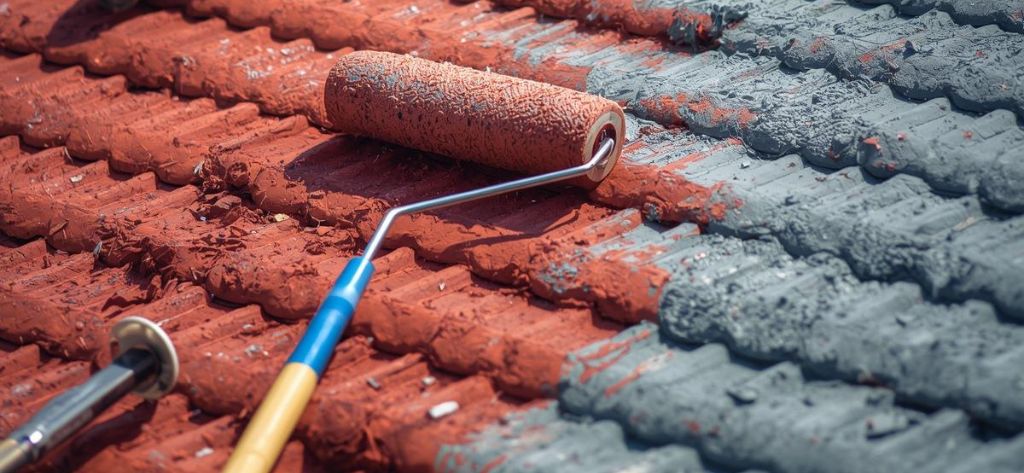
Exterior Paint, on the other hand, is made to withstand the elements. It includes additives like UV protectants, fungicides, and flexible binders that expand and contract with the weather. This keeps it from fading, cracking, or peeling when exposed to sun, wind, or rain.
2. Durability & Finish
Interior Paint focuses on smooth application and finish. It’s available in a variety of sheens—from matte to high-gloss—and is designed to handle cleaning and daily wear. However, it’s not meant to deal with extreme weather or temperature fluctuations.
Exterior Paint is more durable by design. It’s tougher, weather-resistant, and made to hold its colour longer—even when exposed to strong sunlight or storms. It typically lasts 7–15 years with proper preparation and application.
3. Drying Time & Application Conditions
Interior Paint dries relatively quickly, usually within 1–2 hours to the touch and ready for a second coat in 4–6 hours. It can be applied year-round since it’s used in temperature-controlled environments.
Exterior Paint has a longer drying time and must be applied under specific weather conditions. Ideally, it should be used on dry days with mild temperatures to ensure proper adhesion and curing.
4. Paint Adhesion & Surface Suitability
Different surfaces require different types of paint. Here’s why:
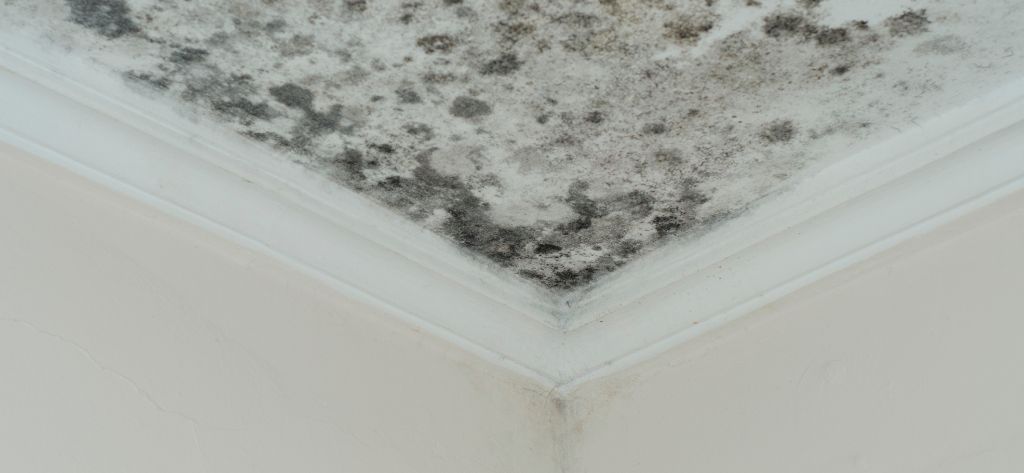
Interior Paint is ideal for smooth, dry surfaces like drywall, plaster, or ceilings. It adheres well in stable environments but isn’t built to handle moisture or direct sunlight.
Exterior Paint is made for textured, porous, or weather-exposed surfaces like brick, cement, wood, or stucco. Its flexible resins help it bond well while adapting to expansion and contraction.
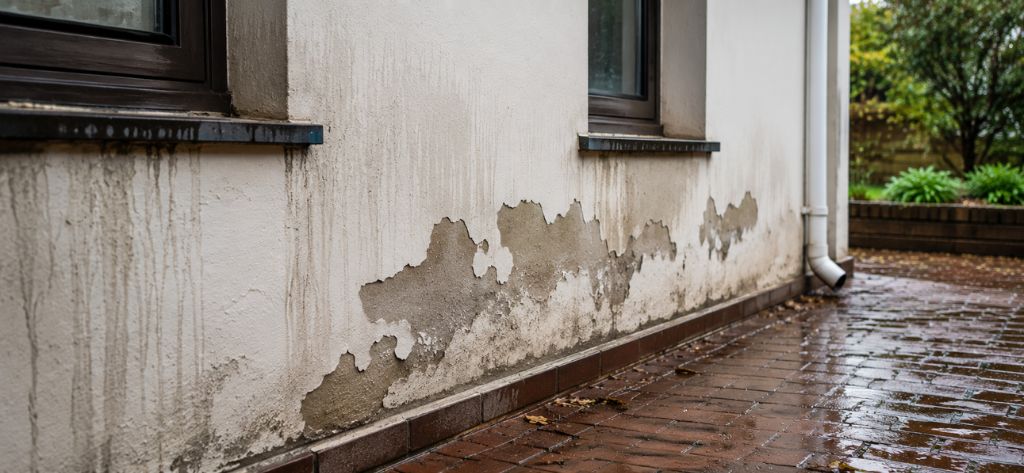
Why this matters: Using the wrong type of paint on the wrong surface can lead to bubbling, peeling, or poor coverage. Proper paint adhesion ensures your project looks good—and stays that way.
5. Why Choosing the Right Paint Matters
Here’s what can go wrong when you use the wrong product:
Health & Safety Concerns: Exterior paints often contain higher VOCs and are not safe to use indoors.
Wasted Time and Money: Interior paint used outdoors won’t hold up—leading to fading, peeling, or cracking.
Aesthetics and Longevity: The finish may look right at first but quickly deteriorate if the paint isn’t designed for the environment it’s in.
At Nevis Painting, we don’t just pick up a brush—we help you choose the right product for the job from the start.
Expert Tips from Nevis Painting
Never mix them up: Using exterior paint inside can affect air quality. Using interior paint outdoors leads to quick fading and flaking.
Prep properly: Great results start with clean, dry, and primed surfaces.
Work with professionals: We understand the chemistry behind every product and choose only trusted brands suited to your environment.
Nevis Painting: Precision. Quality. Passion.
Whether you’re repainting a cosy lounge or reviving an outdoor wall, Nevis Painting brings unmatched expertise, quality workmanship, and professional guidance to every project. We don’t just paint—we help protect and transform your spaces.
Ready to start your next painting project?
Contact Nevis Painting today for a free consultation. Let’s bring your vision to life—with the right paint for the right place.