
Dealing with Peeling Paint: Causes and Solutions for Both Homes and Offices
Peeling paint can be an eyesore, whether in a home or office. It detracts from the beauty of your space and may indicate deeper underlying problems. Understanding what causes paint to peel and how to address it is essential to maintain a professional, well-kept environment.
In this blog, we’ll explore common causes of peeling paint and provide practical solutions to restore the look of your space.
Common Causes of Peeling Paint
1. Moisture and Humidity
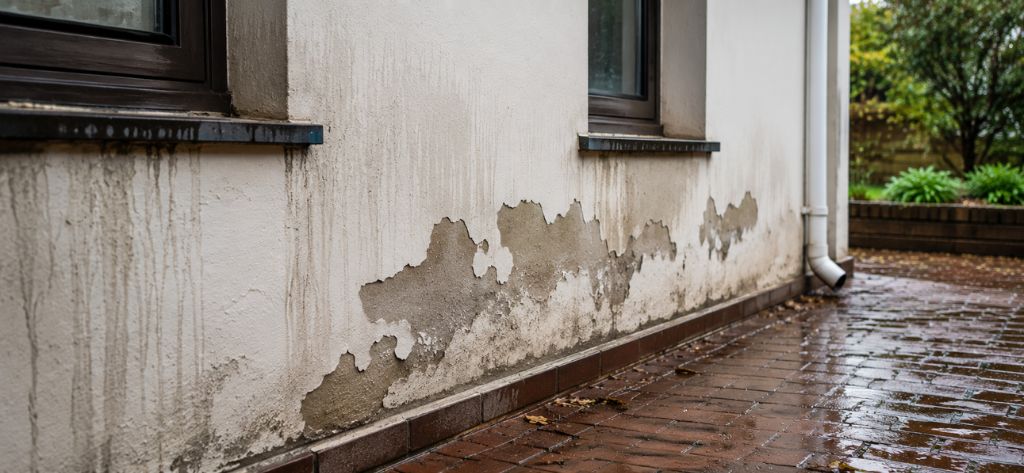
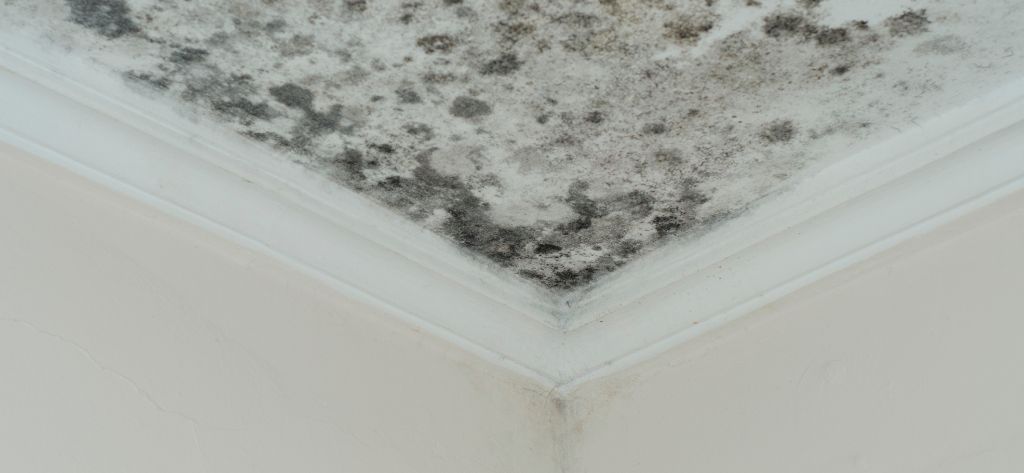
One of the leading causes of peeling paint is moisture. This issue is prevalent in areas like kitchens, bathrooms, or spaces with poor ventilation. When moisture penetrates the walls, it can weaken the bond between the surface and the paint, leading to bubbling and eventual peeling.
Solution:
Ensure proper ventilation by installing exhaust fans or opening windows in high-moisture areas. Before repainting, address the root cause of moisture, whether it’s a leak or humidity issue. Using mold-resistant and moisture-proof paints in these areas can also help prevent future peeling.
2. Improper Surface Preparation
Paint needs a clean, smooth surface to adhere properly. If surfaces are not cleaned, sanded, or primed, the paint won’t bond effectively, leading to early peeling. Dust, dirt, or old layers of flaky paint will interfere with the new paint job.
Solution:
Always clean and prepare surfaces before painting. Scrape off old, loose paint and sand down uneven spots. For best results, apply a quality primer to create a strong base for the new coat of paint.
3. Low-Quality Paint
Investing in low-quality paint may save money upfront, but it often leads to peeling, cracking, and a shorter lifespan. Cheap paints are less durable and more prone to damage from everyday wear and tear.
Solution:
Choose high-quality, durable paints, especially for high-traffic areas or exterior surfaces exposed to the elements. Professional painters, like Nevis Painting, can recommend the best brands and finishes to ensure longevity and quality.
4. Poor Painting Conditions
Painting in unsuitable conditions—such as extreme temperatures or high humidity—can compromise the integrity of the paint. Paint may not cure or adhere properly if applied when it’s too hot, too cold, or damp.
Solution:
Check the weather forecast before starting an exterior project. For interior painting, ensure the room is well-ventilated and at the ideal temperature for the paint to dry properly. Consult your painter for advice on the best conditions for the job.
5. Lack of Primer
Skipping the primer is a common mistake that can lead to peeling paint. Primer creates a strong bond between the surface and the paint and helps it adhere better. Without primer, paint has a harder time sticking to the surface, especially on porous materials like drywall or wood.
Solution:
Never skip the primer! Use a primer appropriate for the surface you’re painting, whether it’s drywall, concrete, or wood. Priming not only helps the paint adhere better but also extends the life of the paint job.
How to Fix Peeling Paint
If you’re dealing with peeling paint, it’s important to address the issue as soon as possible to prevent further damage. Here’s a step-by-step guide to fixing the problem:
Assess the Extent of Damage
Start by determining how large the affected area is. If the peeling is widespread, it may be a sign of a larger issue like water damage or poor surface preparation.Scrape Off Loose Paint
Use a paint scraper or wire brush to remove all loose, peeling paint from the surface. Be thorough, as any remaining loose paint can cause problems with your new coat.Sand the Area
Sand the scraped area to smooth the surface and blend the edges of the peeled paint with the rest of the wall. This step ensures that the new paint will go on evenly.Apply Primer
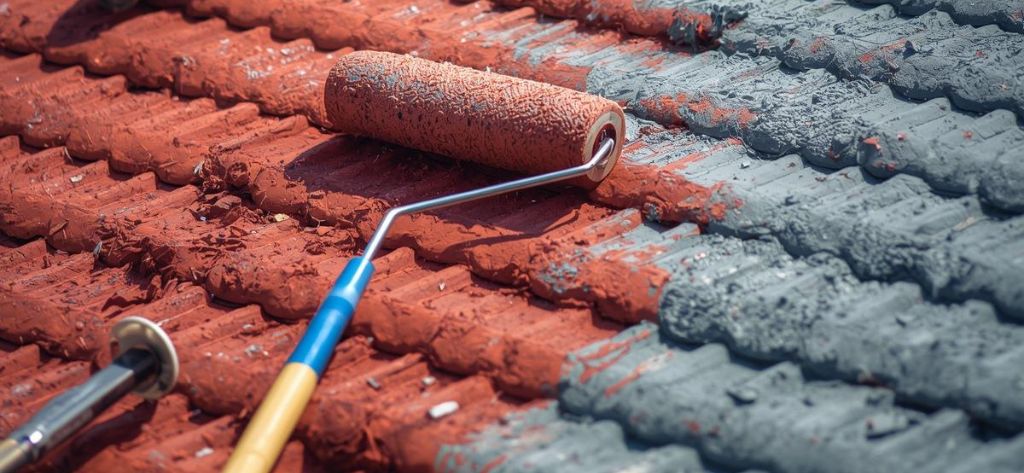
Once the surface is clean and smooth, apply a quality primer to create a solid base for the new paint. Priming is especially important in areas where peeling occurred to prevent future issues.Repaint the Surface
Use high-quality paint and apply it evenly across the surface. If you’re not confident in your DIY skills or dealing with a large area, consider hiring professional painters to ensure a flawless finish.
Preventing Future Peeling
Regular Maintenance: Regularly inspect your home or office for early signs of peeling and cracking. Catching these issues early allows you to address them before they become more serious.
Use the Right Paints and Finishes: For high-traffic areas or places exposed to moisture, always choose durable, high-quality paints. Opt for mildew-resistant or waterproof finishes in bathrooms and kitchens.
Professional Painting Services: Hiring professionals like Nevis Painting ensures that surfaces are properly prepared and the best products are used for your space, minimizing the risk of future peeling.
Conclusion
Dealing with peeling paint doesn’t have to be a headache. By identifying the root causes and taking preventive measures, you can keep your home or office looking fresh and professional for years to come. Whether you’re repainting an entire room or just touching up problem areas, Nevis Painting is here to help with expert advice and top-tier painting services.
Contact us today to schedule your next painting project and ensure a smooth, long-lasting finish for your home or office.