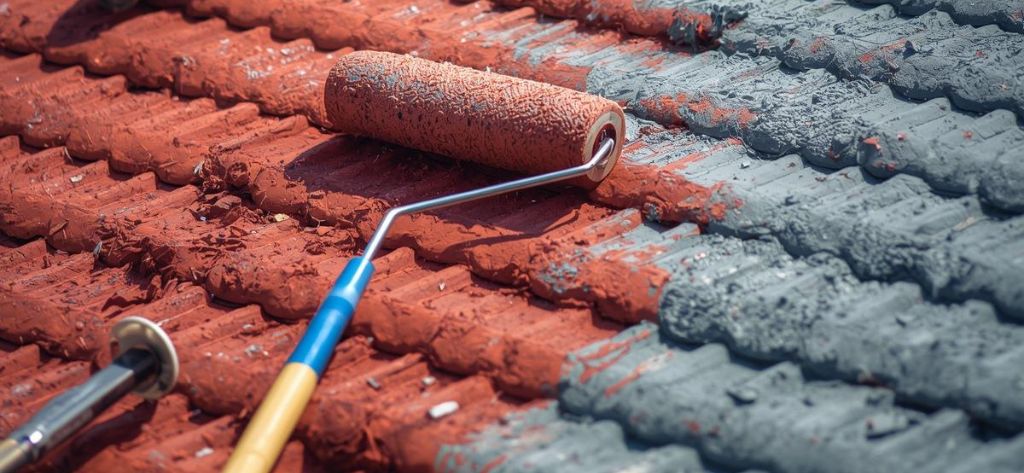

When it comes to protecting your home’s exterior, paint plays a critical role that goes far beyond just enhancing its appearance. While many homeowners see paint as a cosmetic upgrade, its true value lies in the protection it offers against harsh weather conditions, moisture, and general wear and tear. Here’s how a good paint job safeguards non-wood exteriors such as concrete, stucco, brick, and metal, ensuring your home remains both durable and beautiful.
1. Shielding Against Weather
Homes are constantly exposed to the elements—sun, rain, wind, and temperature fluctuations. Over time, these forces can degrade your exterior materials, but a high-quality coat of paint acts as a protective barrier.
- Sun and UV Exposure: Constant exposure to the sun can cause surfaces like stucco, concrete, and metal to crack, fade, and weaken. UV-resistant paint helps reduce damage from the sun, ensuring your home retains its structural integrity and color vibrancy for longer.
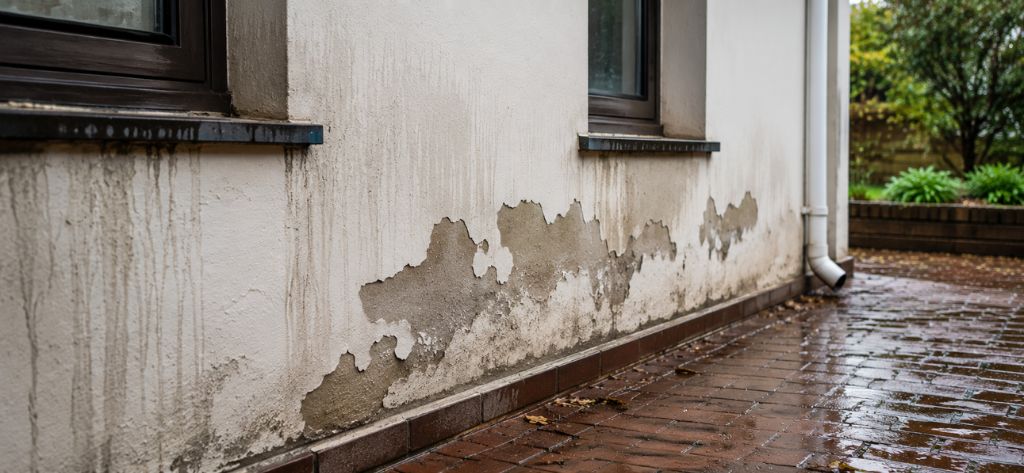
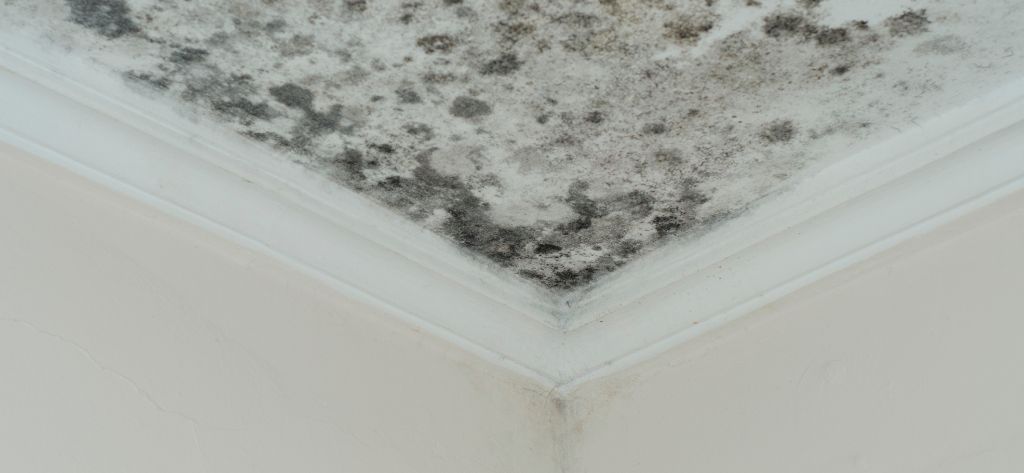
- Rain and Moisture: Water can penetrate materials like brick, concrete, and stucco, leading to cracks and leaks over time. Once moisture seeps into your home, it can cause mold, mildew, and even structural damage. Paint forms a water-resistant layer that seals these surfaces, preventing water from entering and causing long-term issues.
- Wind and Dust: Winds can carry dust, dirt, and debris that, over time, can wear down your home’s exterior surfaces. Paint provides a smooth, hard surface that helps repel dirt and minimizes the abrasiveness of wind exposure.
2. Preventing Cracking and Deterioration
Certain exterior materials, like stucco and concrete, are prone to cracking due to expansion and contraction caused by temperature changes. Cracks can lead to water infiltration and further degradation if not addressed. A good exterior paint job, especially with flexible and weather-resistant paints, helps reduce the likelihood of these cracks forming by providing a protective layer that adjusts with temperature changes.
In addition to preventing cracking, paint can also fill small imperfections in brick, stucco, or metal surfaces, reinforcing the durability of these materials. By sealing the surface, paint helps to reduce the risk of long-term structural deterioration.
3. Corrosion Prevention on Metal Surfaces
If your home has metal elements—whether in siding, gutters, or trim—paint serves as a vital line of defense against corrosion. Exposure to moisture and air causes metals like steel and iron to rust, while aluminum and other alloys can oxidize. Painting these metal surfaces with a specialized rust-inhibiting paint prevents oxidation, extending the lifespan of metal components and keeping your home looking its best.
4. Boosting Energy Efficiency
The color of your exterior paint can also impact your home’s energy efficiency. Light-colored paints reflect sunlight and heat, helping to keep your home cooler during warmer months, while darker colors can absorb heat, which may be beneficial in colder climates. Some advanced exterior paints are designed with heat-reflective properties, which can further enhance energy efficiency by reducing heat transfer through your home’s exterior walls.
5. Increasing the Longevity of Surfaces
Whether you have stucco, brick, concrete, or metal surfaces, the elements will inevitably take a toll over time. Paint acts as a protective layer that adds to the longevity of these materials, delaying the need for costly repairs or replacements. For example, concrete surfaces can be prone to developing hairline cracks and other wear issues. By applying a durable, high-quality paint, you reinforce the surface and protect it from environmental stressors.
6. Protecting Against Mold and Mildew
Moisture and humidity are key factors in the development of mold and mildew, particularly in areas like stucco and concrete. These fungi can not only damage your home but also negatively impact indoor air quality. Exterior paint with anti-mold and mildew properties prevents these microorganisms from taking hold, keeping your home safer and cleaner.
7. Maintaining Property Value and Curb Appeal
A fresh coat of paint doesn’t just protect—it also boosts your home’s curb appeal and market value. A well-maintained exterior makes your home look inviting, while potential buyers will appreciate the care and attention given to protecting the structure. Investing in high-quality paint and maintaining regular touch-ups or repainting schedules ensures your home retains its visual appeal, while also avoiding potential costly structural damage in the future.
Conclusion
Exterior paint plays a vital role in protecting your home from weather damage, moisture infiltration, and structural wear. For homes with concrete, stucco, brick, or metal exteriors, a properly applied coat of paint serves as a durable shield that enhances the lifespan of these materials. Beyond just aesthetics, investing in exterior paint ensures your home stays protected, maintains its value, and remains energy-efficient for years to come.